Blast Chiller
Blast Chilling For Pizza Operations
Using a Thermo-Kool blast chiller for our pizza operation can help store ingredients safely and prevent food waste.
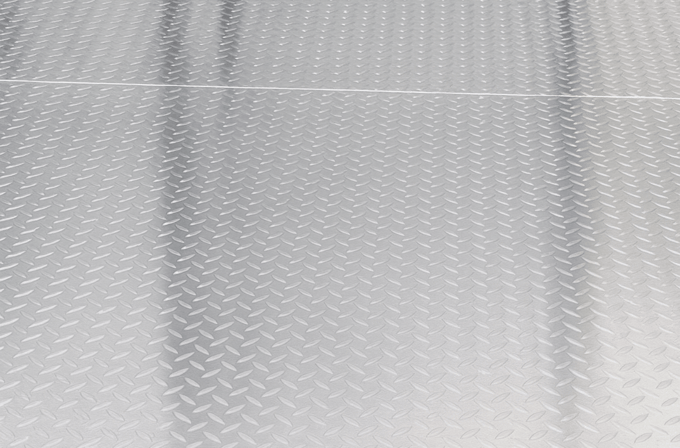
Operators spend a lot of time planning the size, insulation, and temperature requirements of a walk-in cooler or freezer. However, one of the most critical components often gets overlooked during the design phase: the floor.
The wrong floor can lead to serious problems like cracks, condensation, equipment damage, safety hazards, and even voided warranties. These aren’t just cosmetic issues. They impact daily operations, drive up costs, and shorten the lifespan of the entire unit.
A walk-in’s strength starts from the ground up. Choosing the right floor for a commercial walk-in freezer or cooler is essential to supporting the unit’s performance over time.

Walk-in cooler and freezer floors are not universal. Each operation has its own weight loads, traffic patterns, and equipment usage, and the floor must be designed accordingly.
A standard floor might hold up under stationary shelving with minimal movement, but this doesn't happen in most situations. In busy restaurants, schools, and bars, pallet jacks and/or heavy carts are used to move product in and out of a cooler. In warehouses, there can even be motorized equipment. Not initially installing the correct floor in a walk-in freezer or cooler can cause cracked flooring, higher energy bills, and safety violations. Proper flooring ensures the unit performs as expected and avoids early failure.
 Thermo-Kool offers a range of flooring systems to match the realities of your operation:
Standard Floor: This floor is built for stationary storage with a weight capacity up to 600 lbs. It is not suitable for rolling traffic. Wet mopping and improper cleaning can damage the surface and void warranties.
DURA-FLOOR: Supports light rolling traffic (hand carts, mobile racks) with a weight capacity up to 200 lbs per square foot. Ideal for operations with limited rolling use. Not appropriate for pallet jacks.
ARMOR FLOOR with Overlay: Designed for moderate rolling loads like hand trucks and pallet jacks, it supports up to 1,500 lbs per square foot and requires an aluminum or vinyl overlay for NSF compliance and durability.
Concrete Floor: This is the best option for facilities using heavy-duty or motorized equipment. This setup involves installing the walk-in over a 4-inch concrete slab and requires a site-specific assessment to verify compatibility.
No Floor: This option is suitable only for facilities that already have insulated structural flooring or slabs in place. It must also be evaluated on a case-by-case basis to ensure thermal efficiency and structural integrity.
Every flooring system has its limits and care requirements. Choosing one that isn’t aligned with an operation's unique needs increases the risk of failure and reduces the overall life of your walk-in.
When a floor fails, the damage isn’t isolated. It affects food safety, staff safety, operational uptime, and total cost of ownership. A cracked floor can compromise the entire walk-in and often leads to repairs that cost more than doing it right the first time.
Thermo-Kool works closely with operators to evaluate site conditions, traffic patterns, and load demands before any floor is specified. With the proper foundation in place, walk-ins are built for performance and longevity.
Using a Thermo-Kool blast chiller for our pizza operation can help store ingredients safely and prevent food waste.
Protect your kitchen’s reputation, maximize space, and boost efficiency with Thermo-Kool’s integrated blast chillers and shock freezers. Discover why...
In some cases, blast chillers come with shock freezing capabilities. This gives operators the best of both worlds in a single unit. Others only...